High-rise building warranties for residential towers
Structural warranty and latent defects insurance for tall apartment buildings and towers - arranged with the specialist providers that still have appetite for height, and planned around the building safety gateways.
- Instant response
- Insurer quotes usually within one working day of your proposal
- UK FCA Regulated Broker
- No broker fee to pay
- Blocks, towers and phased estates
Tall buildings
Why a high-rise warranty is harder to place
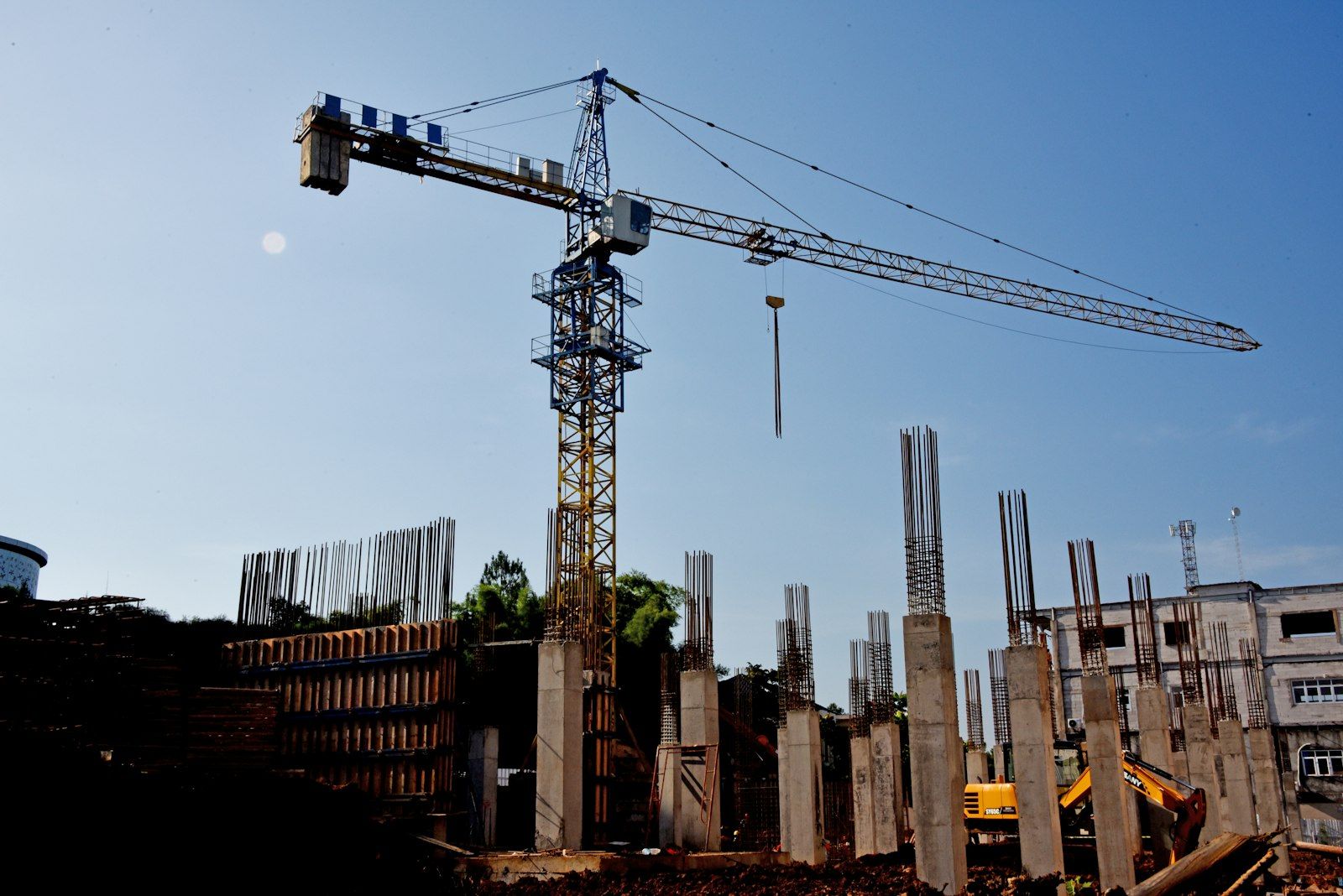
A high-rise building warranty does the same job as on any new home: it covers buyers, their lenders and later owners for damage from hidden defects, usually for 10 or 12 years after completion. What changes with height is how many providers will offer it and how hard they look before they do.
- Fewer providers have appetite. Some limit the height they will cover, some only take on certain construction types, and some will not quote at all.
- Closer technical scrutiny. The frame and structural design, the external wall system, the fire strategy and the ground and foundations all get detailed review.
- More at stake for the funder. A tower is a large, single investment, so lenders and investors want the right cover in place before they commit.
That is why we like to hear about a tall scheme early, while the design is still being fixed and before a contractor is appointed.
Building safety in England
Higher-risk buildings and the gateways
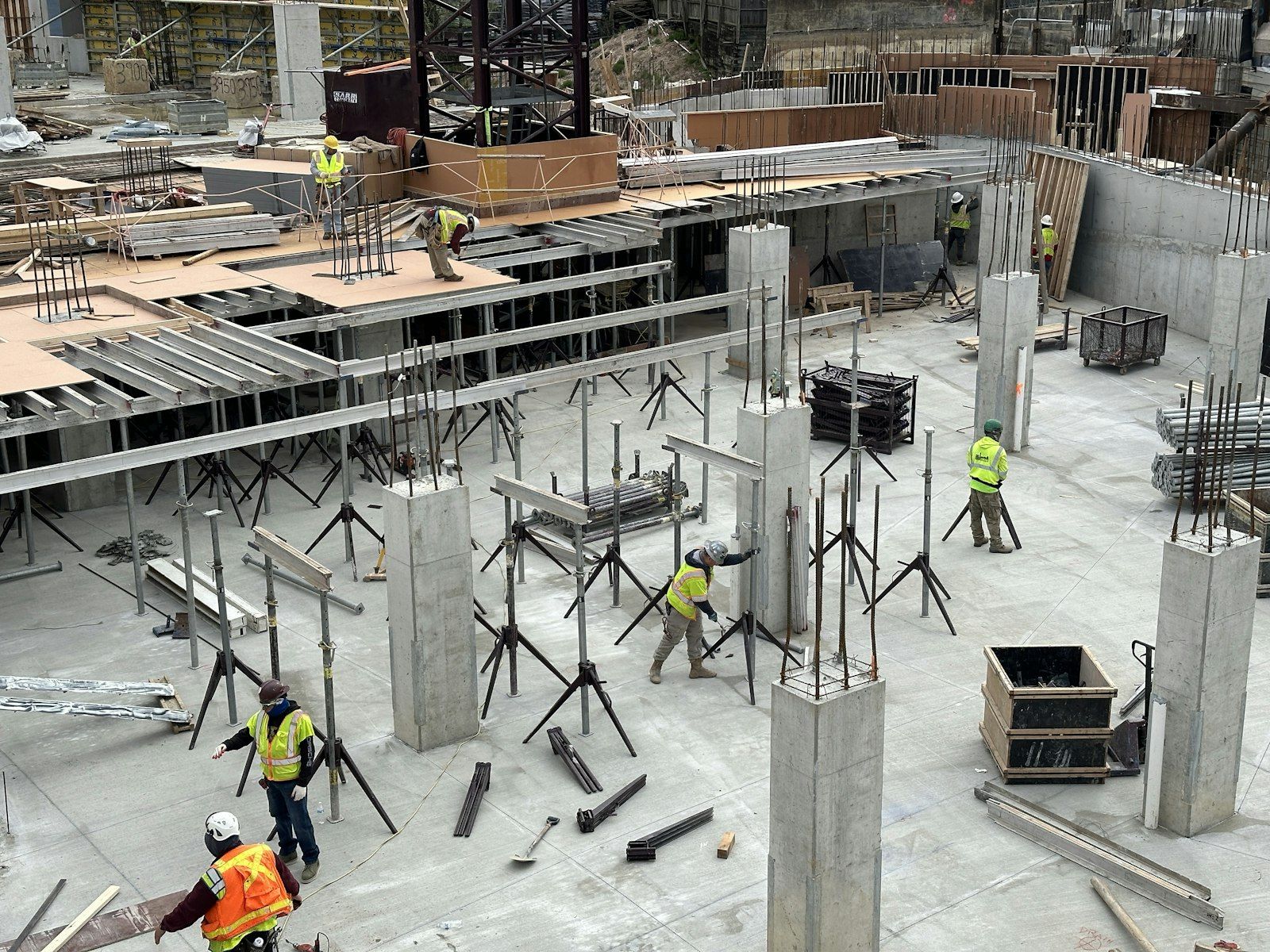
In England, a building that is at least 18 metres tall or has at least seven storeys, and contains at least two homes, is generally a higher-risk building under the Building Safety Act 2022. Height is measured in a set way, some buildings are excluded, and during design and construction the regime also covers hospitals and care homes. Wales, Scotland and Northern Ireland have their own rules, so check what applies where your site is.
Building control
For a higher-risk building in England, the Building Safety Regulator acts as the building control authority in place of the usual building control body.
Gateway two
Building control approval from the regulator is needed before building work starts. The warranty provider will want to know where your application stands.
Gateway three
A completion certificate from the regulator is needed before the building can be occupied, and the building must be registered with the regulator before anyone moves in. Where the building control approval allows staged occupation, a partial completion certificate can let part of the building be occupied first. Plan the final warranty inspections and certificates around it.
Getting it through review
What providers want to see on a tall building
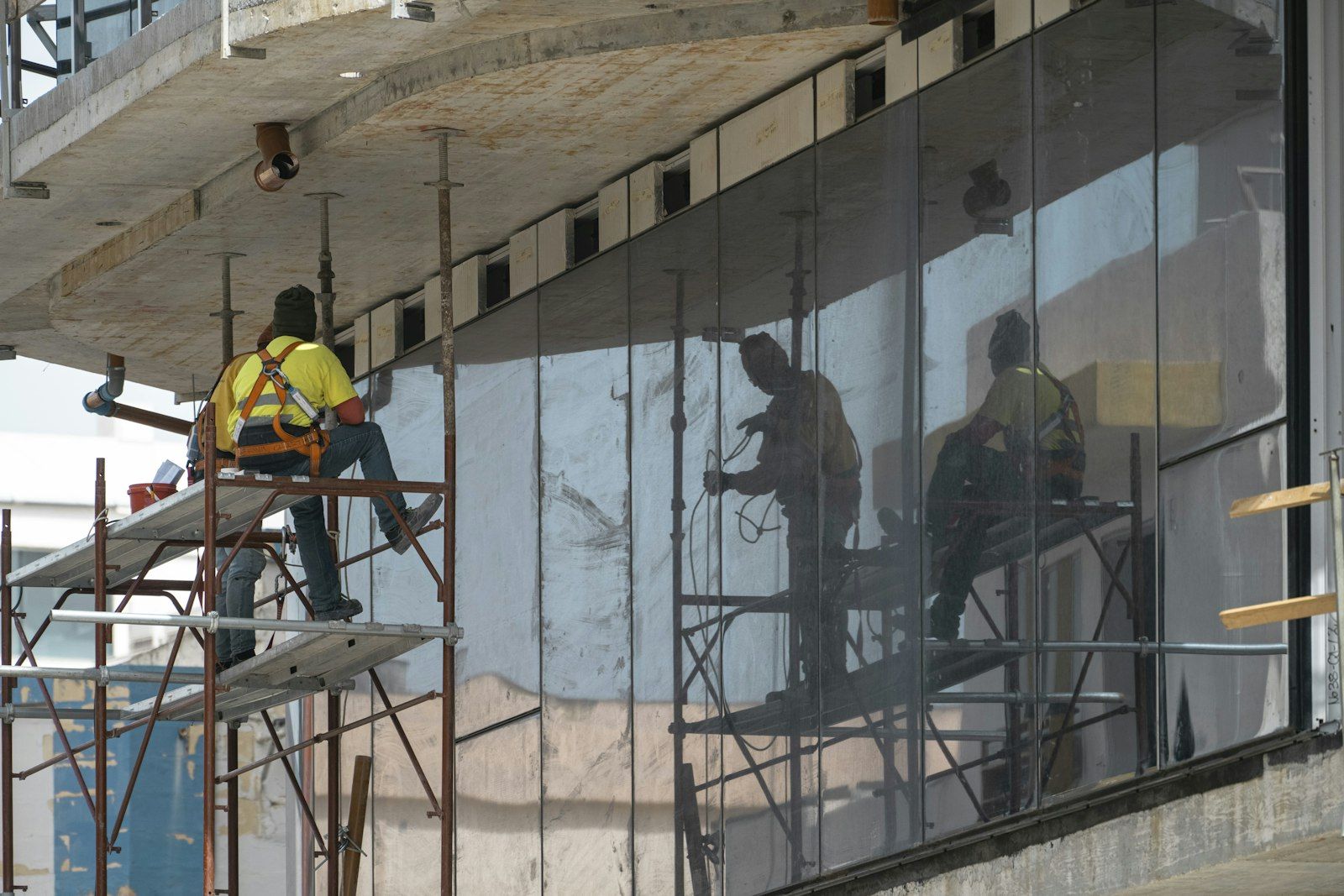
- Structural engineer's design and calculations for the frame, transfer structures and foundations
- Details of the external wall system and cladding, with the materials specified
- The fire strategy and how it has been developed with the design team
- Ground investigation and piling design
- The main contractor, key subcontractors and their track record on similar buildings
- The programme, and where the building control application stands
We package this information so the provider can price the scheme properly, and we tell you early if a detail is likely to cause a problem.
High-rise warranty questions
Do all warranty providers cover high-rise buildings?
No. Appetite for tall residential buildings is narrower than for low-rise homes. Some providers set height limits or only take on certain construction types. We know who is currently writing high-rise schemes and on what terms.
Does the Building Safety Act mean I need a warranty?
No. The Act sets out how higher-risk buildings in England are designed, built and managed, but it does not require a structural warranty. Lenders and buyers usually do, and the warranty provider will expect you to be working through the building safety process.
Will a high-rise warranty cover the cladding?
That depends on the policy. Many warranties include parts of the building envelope, but cover for external walls varies between providers and is subject to their technical approval and policy wording. Do not assume a warranty covers fire safety upgrades or cladding remediation - any external wall cover depends on the policy wording and its exclusions.
When should I approach a provider for a tower?
As early as possible - ideally while the design is being fixed and before work starts on site. Registering before the start is simpler and cheaper, and it gives the provider the chance to review the design before it is built.
Tell us about your tower
Give us the height, storeys, units and where you are up to, and we will come back with the providers likely to cover it and what they will need.
- Takes under a minute
- Instant reply by email with your reference
- Insurer quotes usually within one working day of your completed proposal
- Schemes anywhere in England, Scotland, Wales and Northern Ireland
- Free and no obligation
Already filled in a proposal form? Email it to us or send it on WhatsApp with any drawings you have and we will take it from there.